

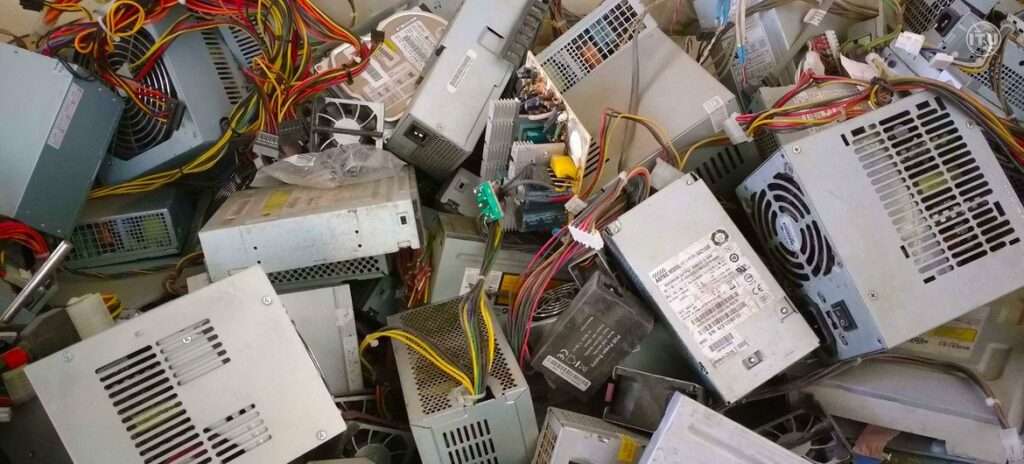
Although electronic waste can harm the planet, it also opens the door to innovative solutions that promise a more sustainable future. Recycling discarded electronic products and turning them into gold could transform a global challenge into a sustainable circular economy practice, highlights an article in INNOVATORS magazine, entitled New alchemy of the digital age: turning waste into gold.
According to the fourth edition of the Global Electronic Waste Monitor, GEM, released by the United Nations, 62 million tonnes of electronic waste will be produced in 2022. This total would fill 1.5 million 40-tonne trucks.
The focus will have to be on recycling, given a scenario in which the consumption of electronic devices is only increasing.
The report (pt) encourages countries to increase their e-waste collection and recycling rates to 60 per cent by 2030. The benefits of this measure include minimising the risks to human health, which would outweigh the costs by more than 38 billion dollars.
As well as health issues, there is economic value in recycling. E-waste is full of valuable materials, including gold, which can contribute to a more sustainable and resource-efficient future.
In the electronics industry, gold is valued for its excellent conductivity and resistance to corrosion, making it an essential material in the production of high-end electronics.