
The curators of the 17th Sharjah Biennial, Angela Harutyunyan from Armenia and Paula Nascimento from Angola, announced the 100 artists invited to participate in the event’s extensive program, which will take place from January 21 to June 13, 2027, in the United Arab Emirates.
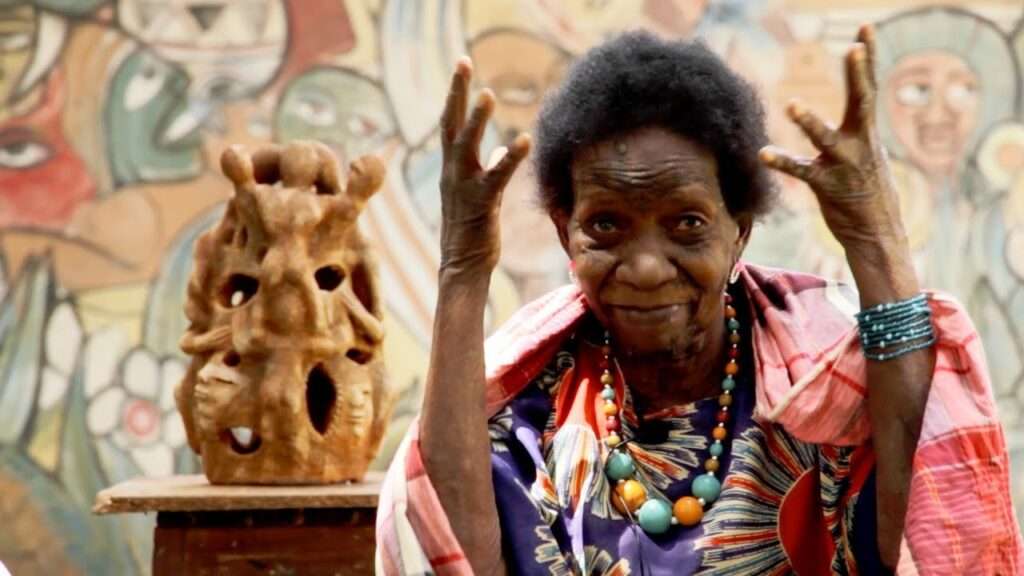
Among artists of various nationalities, the Mozambicans Ilídio Candja Candja, Reinata Sadimba, Eurídice Zaituna Kala, and Ângela Ferreira stand out, whose work is already internationally recognized and engages with notions of time, historical pasts, erosion of memory, and contemporary issues that evoke different forms of emptiness.
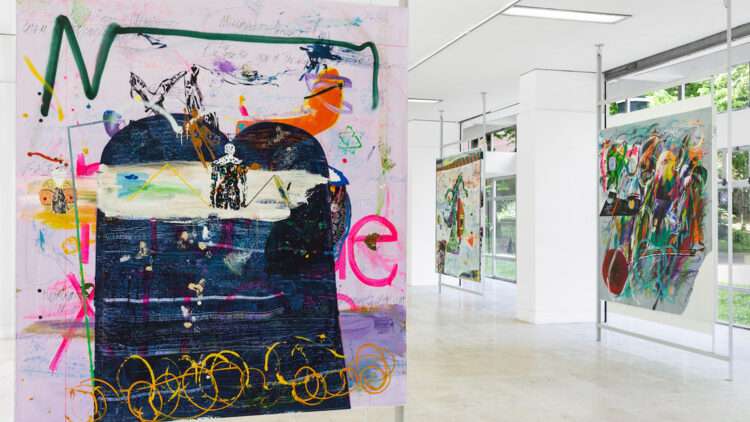
The curatorial note for the Sharjah Biennial argues that “our present is disturbed by what remains of an unlived past, by defeated but still active projects of a modernity based on universal emancipation. Far from being passive or dormant, these vestiges continue to animate the present with restless rhythms, shaping the politics of time and space. Stories resurface and persist not as mere repetition, but as metamorphosed residues and processes that actively influence the present.”
The theme of this edition is “What remains, stays restless,” and is developed through different approaches by the two curators. By exploring the consequences of socialist modernity, Angela Harutyunyan brings together 55 participants, proposing in-depth reflections on means and forms of artistic representation. In turn, Paula Nascimento investigates the slow violences of silencing and cultural oppression, bringing together 54 participants who address infrastructure as a method of analyzing space and memory.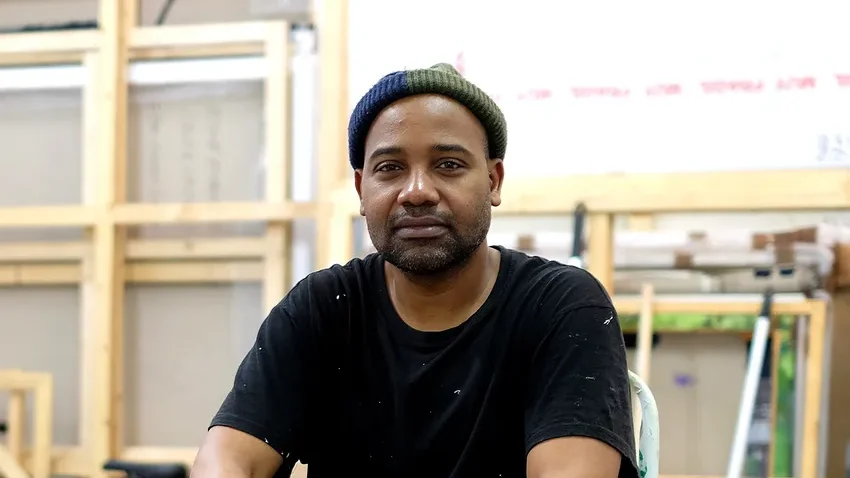
Paula Nascimento, an Angolan architect and curator, develops practices that intersect visual arts, urbanism, geopolitics, and art education. With an interdisciplinary approach, her work stands out for its contemporary readings of historical themes linked to Africa and the Global South.
Angela Harutyunyan, originally from Armenia and currently a professor of Contemporary Art and Theory at the Berlin University of the Arts, brings extensive research experience in the areas of post-Soviet art and culture, Marxist aesthetics, and curatorial theory.
Written by: Eduardo Quive