
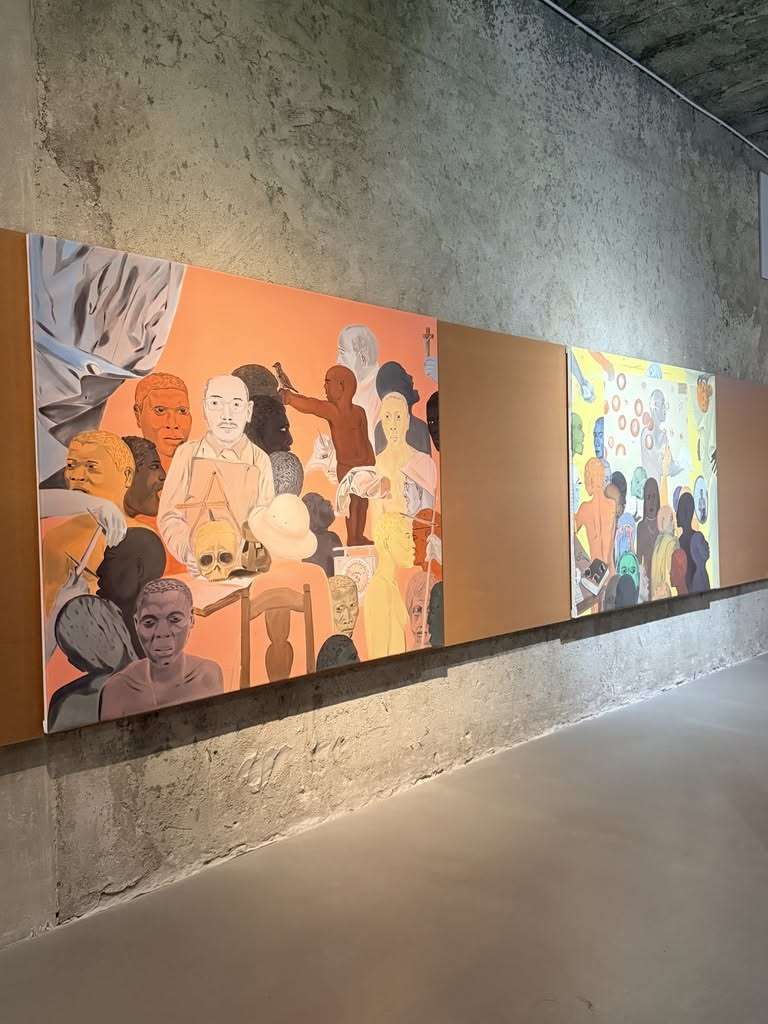
The exhibition “Critical Perspectives on the Archive – Shadows and Memories”, on view at the National Museum of Natural History and Science of the University of Lisbon (MUHNAC-ULisboa) until 31 August, offers a critical reflection on the legacy of Portugal’s colonial archives and their impact on the construction of African historical memory.
The exhibition brings together new works by Mozambican artists Ilídio Candja, Nuno Silas and Osias André, Angolan artist Jorgette Dumby, and Portuguese artists Márcio Carvalho and Raquel Lima. The artworks are the result of several months of research into the archives and collections of the former Tropical Scientific Research Institute (IICT), based on scientific expeditions carried out in Guinea-Bissau, Angola and Mozambique between the 1930s and the 1950s.
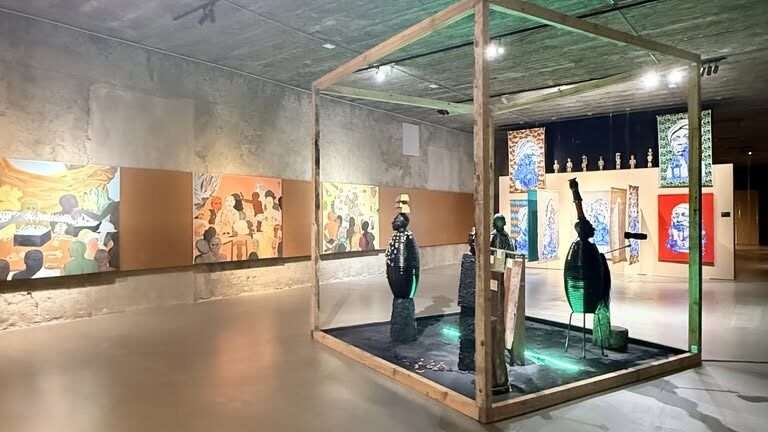
Curated by Márcio Carvalho, Nuno Silas and Sophie Kotanyi, the exhibition invites visitors to question the contexts in which these objects were collected and incorporated into museum collections. Rather than presenting a purely scientific perspective, the project offers a critical approach that highlights the complex relationship between knowledge, power and colonialism.
One of the exhibition’s central sections focuses on anthropobiological collections, which include measurements and records of human bodies that were often obtained without the consent of the people involved. According to the curators, these materials bear witness to practices that helped legitimise racial theories and contributed to the dehumanisation of colonised populations.
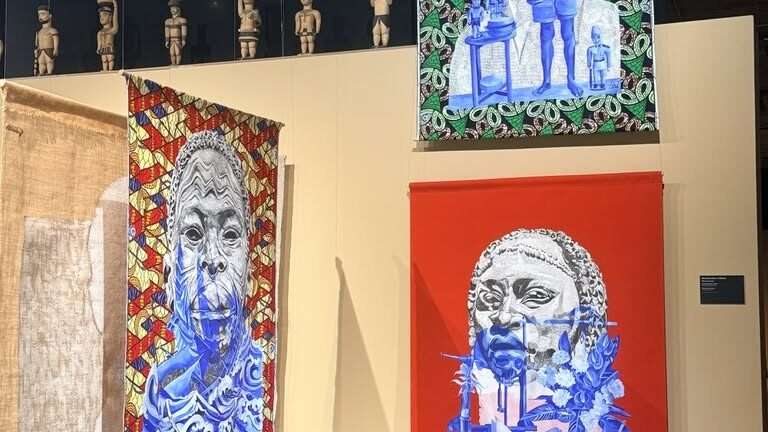
Through a wide range of artistic practices, “Critical Perspectives on the Archive – Shadows and Memories” seeks to transform the museum into a space for dialogue on memory, heritage and historical justice. The exhibition encourages visitors to revisit the colonial past and imagine new paths towards historical reparation, while promoting decolonial perspectives and a renewed understanding of the place of African heritage within contemporary cultural institutions.
Written by: Eduardo Quive