

A group of scientists from the Cavendish Laboratory and AMOLF (Amsterdam NL) have discovered that improving the efficiency of solar cells by concentrating more sunlight on them is more difficult than one might think, but they have discovered other ways in which it might be possible to improve solar energy capture anywhere on the planet.
The researchers were interested in finding out whether solar cells, devices that transform sunlight into electricity, could be adjusted to work better in different parts of the world where the concentration of sunlight may be higher. To examine this, they used machine learning models and neural networks (AI) to understand how solar radiation would behave at different points on Earth.
They integrated this data into an electronic model to calculate the production of solar cells. By simulating various scenarios, they were able to predict how much energy solar cells could produce in various locations around the world.
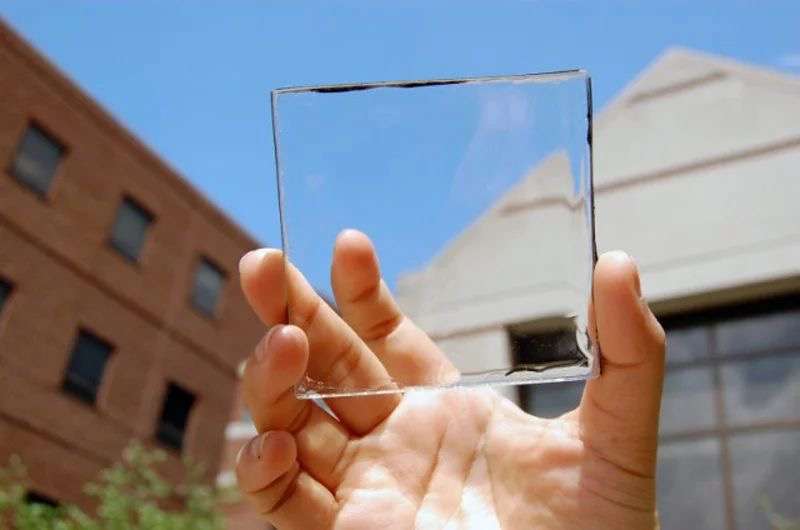
Thus, the solar panels can flex and fold like origami or become partially transparent to integrate perfectly into the environment and make them easy to install. By increasing the durability and versatility of these panels, they can be integrated into a wide range of environments, promising longevity and efficiency.