


The contemporary art scene in Rwanda is experiencing a new dynamic, driven by the creation of the Gihanga Institute of Contemporary Art (GICA).
As the country’s first non-profit institution dedicated exclusively to contemporary art, the Gihanga Institute of Contemporary Art emerges with a bold vision: to provide a platform for artistic practice, research, education, and critical cultural exchange, rooted in Rwanda and connected to the world.
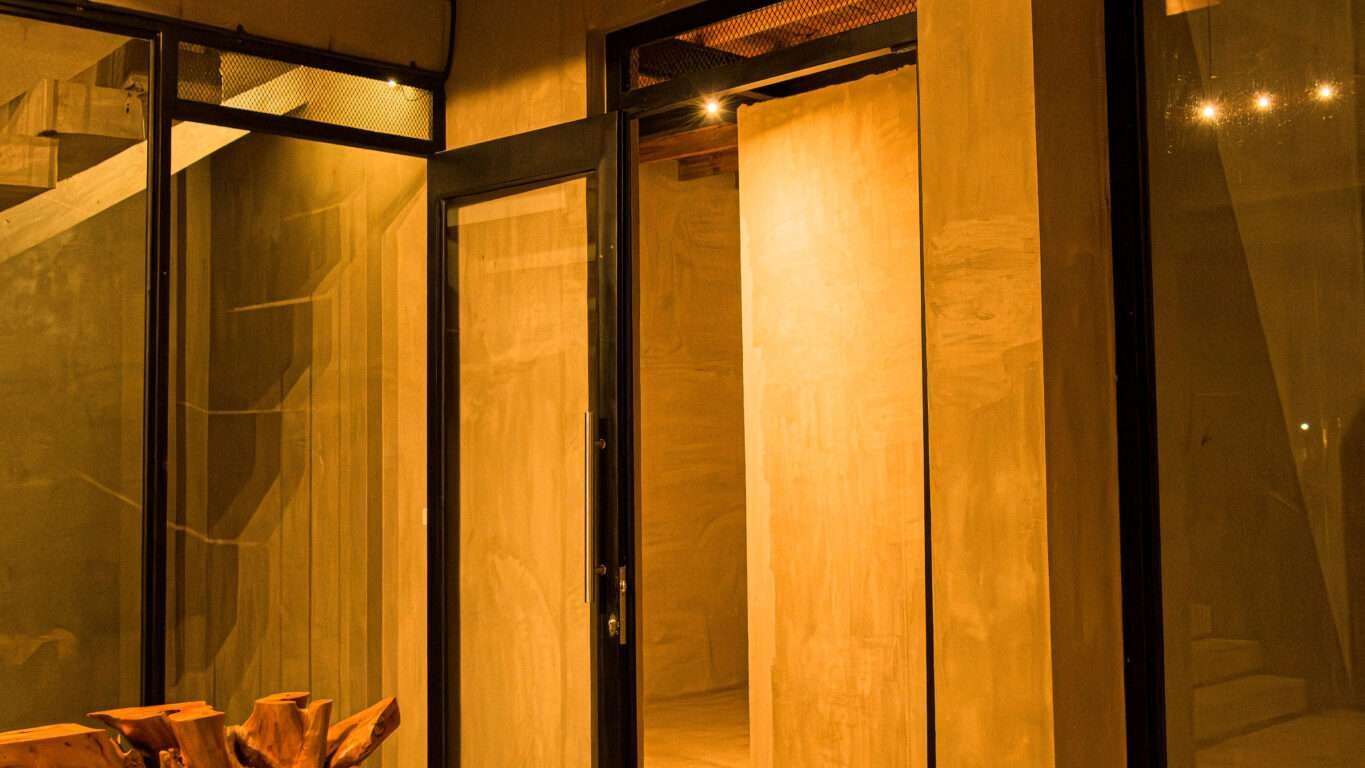
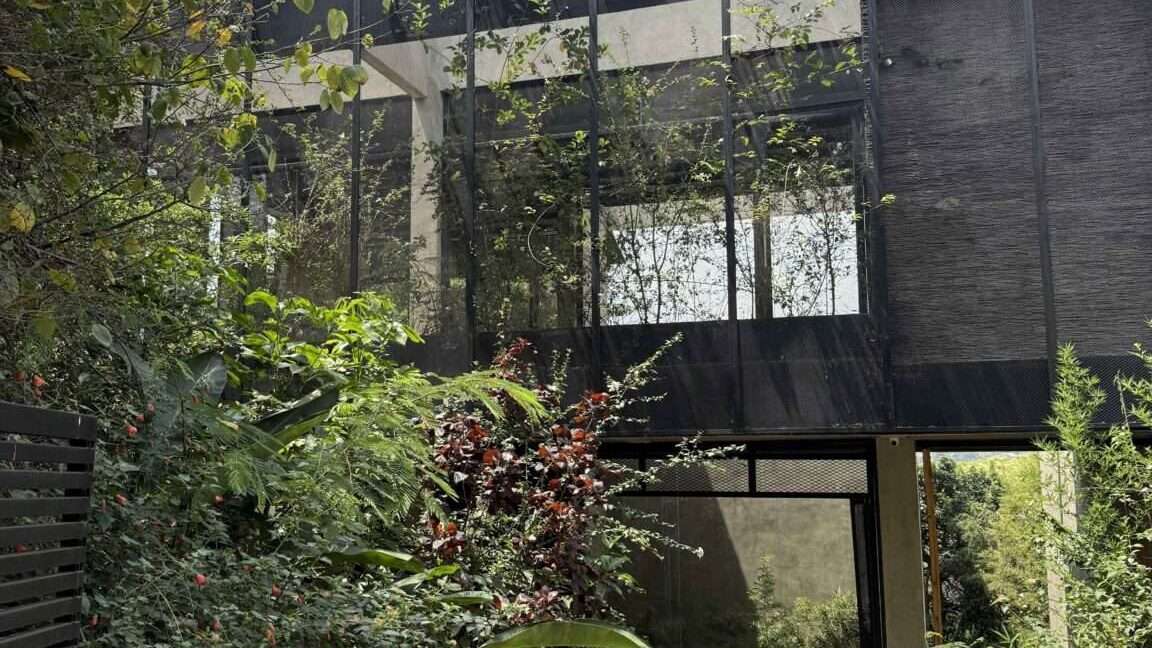
Located in the Kimihurura neighborhood of Kigali, the institute’s building was designed by acclaimed Rwandan architect Amin Gafaranga. The purpose-built space features state-of-the-art facilities, including exhibition galleries, a library, artists’ studios, performance and screening spaces, all carefully designed to support artistic production and audience engagement to an international standard.
The expectation is that the institution will mark Kigali as a new node on the map of contemporary African art, joining cities such as Dakar, Lagos, Nairobi, Accra, Johannesburg, and Marrakech as cultural centers that shape the global discourse. Planned for this, its first year, are activities such as workshops, residencies, publications, and interdisciplinary collaborations, with a view to making the space a center for artistic experimentation, a place of memory, dialogue, and imagination.
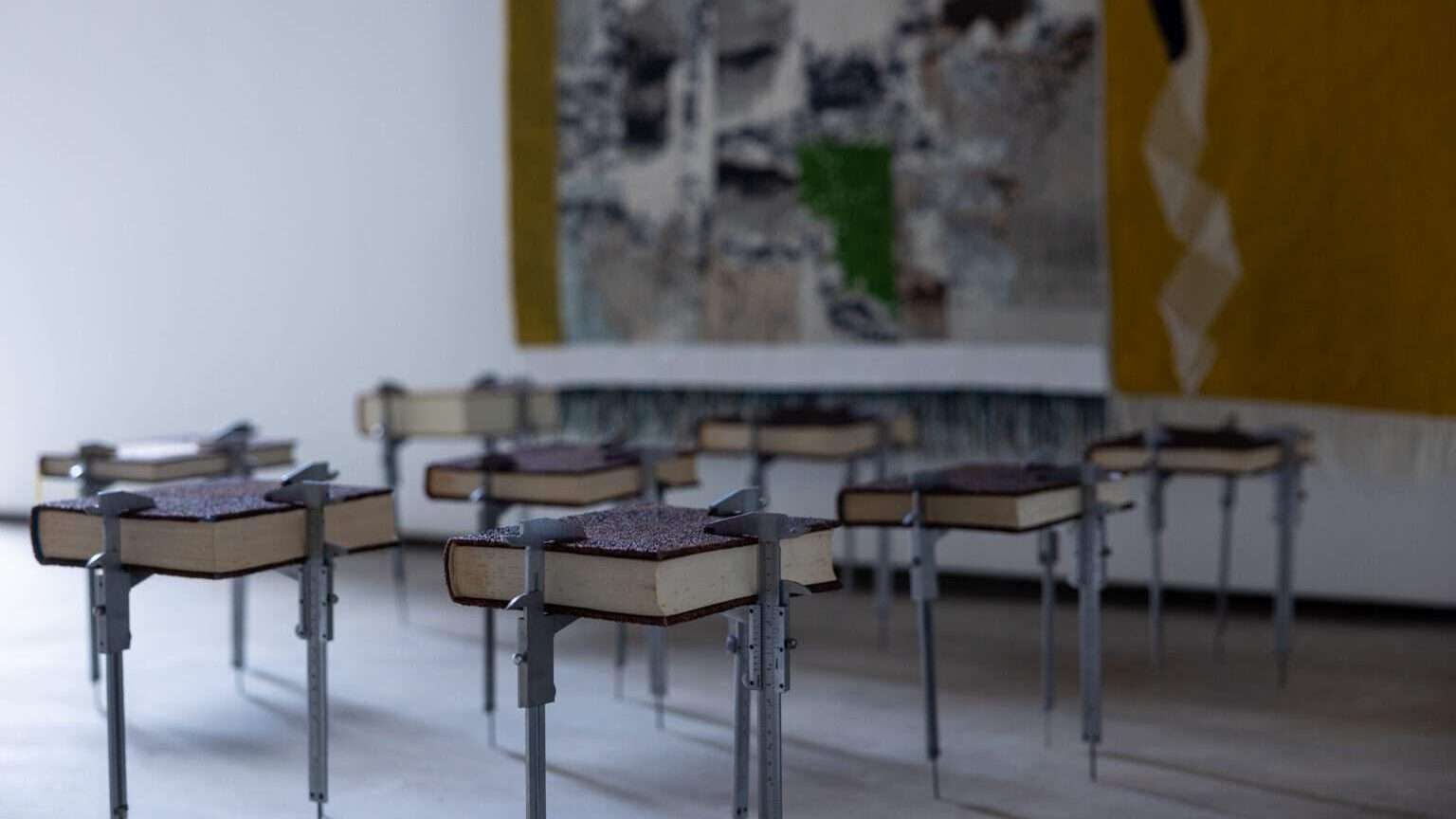
GICA’s first exhibition is entitled Inuma: A Bird Shall Carry the Voice, curated by the institute’s co-founder, Kami Gahiga. The exhibition brought together a remarkable group of artists from Rwanda and across the continent, including Francis Offman, Kaneza Schaal, Innocent Nkurunziza, Feline Ntabangana, Christian Nyampeta, Sanaa Gateja, as well as Cedric Mizero. As a whole, their works explore themes of memory, migration, spirituality, resilience, ecology, and the dialogue between traditional and contemporary practices.
Written by: Eduardo Quive